


Bridgewater Storm-Chaser Roofing Scams: 6 Red Flags We’re Hearing This Season
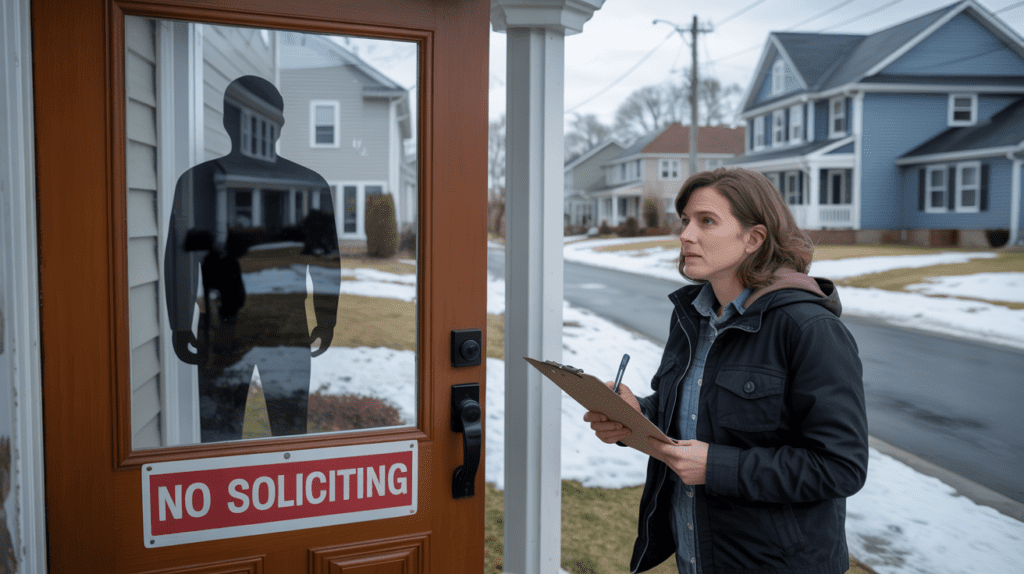
Bridgewater consumer alert (this season): Right after wind events, we’re hearing more reports of door-to-door roofing pitches that lean on urgency: “Your roof is damaged,” “insurance will cover it,” “sign today and we’ll start tomorrow.” If that sounds familiar, you’re not alone—and it’s exactly when homeowners should slow the process down and verify who’s at the door.
Key takeaways
- Post-storm urgency is when storm-chaser and door-to-door roofing scams tend to pop up.
- High-pressure tactics (“sign today”) are a major red flag.
- Don’t pay big deposits or cash-only without clear written terms and verified credentials.
- Verify the contractor is properly registered before you sign anything.
- Be cautious of “insurance fraud” talk (inflating damage, signing blank forms, shady paperwork).
- If you need help, choose a local roofer who documents everything clearly and gives you a written scope.
What’s happening now (and why Bridgewater homeowners should care)
After a wind event, it’s normal to worry about missing shingles, lifted shingles, leaks, or fascia/gutter damage. The problem is that scammers know that too. They show up fast, use fear (“your roof is unsafe”), and try to get paperwork signed before you’ve had time to verify anything.
Bottom line: Your roof may need real repairs. But the fastest knock at your door is not always the safest choice.
The 6 red flags: how storm-chaser scams usually start
Red flag #1 — “We were already in the neighborhood” (but can’t prove it)
This line is designed to feel convenient and familiar. A legitimate contractor can give you a real business address, local references, and a written estimate that matches what they’re saying out loud.
Red flag #2 — Pressure to sign “today” (or you’ll lose the deal)
Storm chasers rely on rushed decisions. If they won’t give you time to review documents, compare bids, or call your insurer, treat that as a warning.
Red flag #3 — Big deposit demands or cash-only payments
Be wary of anyone asking for a large upfront payment before they’ve provided a clear scope, timeline, and written terms. Cash-only is another red flag because it reduces accountability and paper trail.
Red flag #4 — Vague paperwork (or none at all)
If a contractor won’t provide a detailed, written estimate—or hands you a form that’s unclear about price, materials, and warranty—pause. “We’ll figure it out later” is how homeowners get stuck with surprises.
Red flag #5 — Insurance fraud talk (or “we’ll handle it all”)
If someone encourages you to exaggerate damage, sign blank forms, or let them “take over” the claim without transparency, that’s a serious red flag. You should always understand what’s being submitted and why.
Red flag #6 — No proof they’re registered/insured locally
In New Jersey, homeowners can verify contractor registration. If the person at your door can’t provide verifiable credentials (and gets irritated when you ask), that’s your answer.
What we’re seeing locally in Bridgewater-area calls
What homeowners tell us most often: they were offered a “free inspection,” got a fast diagnosis from the driveway, and then felt pushed to sign something that sounded like a simple inspection form. Another pattern: the salesperson talks like they’re your insurance advocate, but won’t put specifics in writing. The cleanest way to protect yourself is to slow the timeline down and verify everything.
Homeowner Action Checklist (what to do after a wind event)
- Take ground photos: roof lines, gutters, vents/flashing areas, and any interior stains.
- If water is coming in, prioritize damage control—but don’t climb a wet/icy roof.
- Call your insurance company using the number on your policy (not a number someone gives you).
- Get 2–3 written estimates and compare scope, materials, warranties, and timeline.
- Verify contractor registration before signing anything.
- Ask for proof of insurance (liability and workers’ comp) and confirm local contact info.
- Don’t sign blank forms or documents you don’t fully understand.
- Avoid large upfront payments; use clear milestones in writing.
- Keep a folder with photos, dates, documents, and receipts.
- If a salesperson won’t leave, end the conversation and call a trusted local company directly.
When to call a pro (clear thresholds + safety notes)
Call a reputable roofer the same day if you have active leaking, exposed underlayment, missing shingles, impact damage (tree/branch), or loose gutters/soffit/fascia that could fall.
Safety reminder: Avoid roof walking in winter and during wet/icy conditions. If you can’t see it safely from the ground, it’s time to call a professional.
FAQ: Roofing scams in Bridgewater, NJ
Are all door-to-door roofers scammers?
No, but door-to-door after storms is a common tactic for storm chasers. Verify credentials and don’t sign under pressure.
What should I do if someone says my roof is “definitely totaled” from the driveway?
Be cautious. Ask for a written estimate and documented photos, and get a second opinion from a local roofer.
Is it a red flag if they want a big deposit upfront?
Yes. Large upfront payments without clear written terms and verified credentials are a common warning sign.
What is “insurance fraud roofing” and why should I avoid it?
It’s any attempt to exaggerate or falsify damage for payout. It can create legal and claim problems for the homeowner.
How can I verify a contractor in New Jersey?
Use New Jersey’s contractor verification resources and confirm the company has a real local presence and insurance.
What paperwork should I insist on?
A written scope of work, materials, price, payment terms, timeline, warranty details, and contact info.
If I already signed something, what should I do?
Stop and review what you signed. Contact your insurer and a reputable local roofer to clarify next steps and document the situation.
Local CTA: Get a real inspection from a Bridgewater-based team
If you’re in Bridgewater and you’re dealing with post-wind roof concerns, skip the door pitch and go straight to a documented inspection. Start here: storm damage roof repair. If you want to talk it through or schedule a visit, book an inspection.
Want more scam-prevention tips from our own library? Read: Roofing Scams in New Jersey: How to Protect Yourself.
Disclaimer: This article is for general consumer education. For safety, avoid roof walking in wet/icy/windy conditions and contact a qualified professional for inspections and repairs.